
Essential RV Tech: TPMS, Surge Protectors, GPS & Internet Solutions
Four pieces of RV tech that come up in every forum and owner conversation for good reason — TPMS, surge protectors, GPS, and internet solutions. Here's what to know before you buy.
Carlos Lopez
4/22/20258 min read
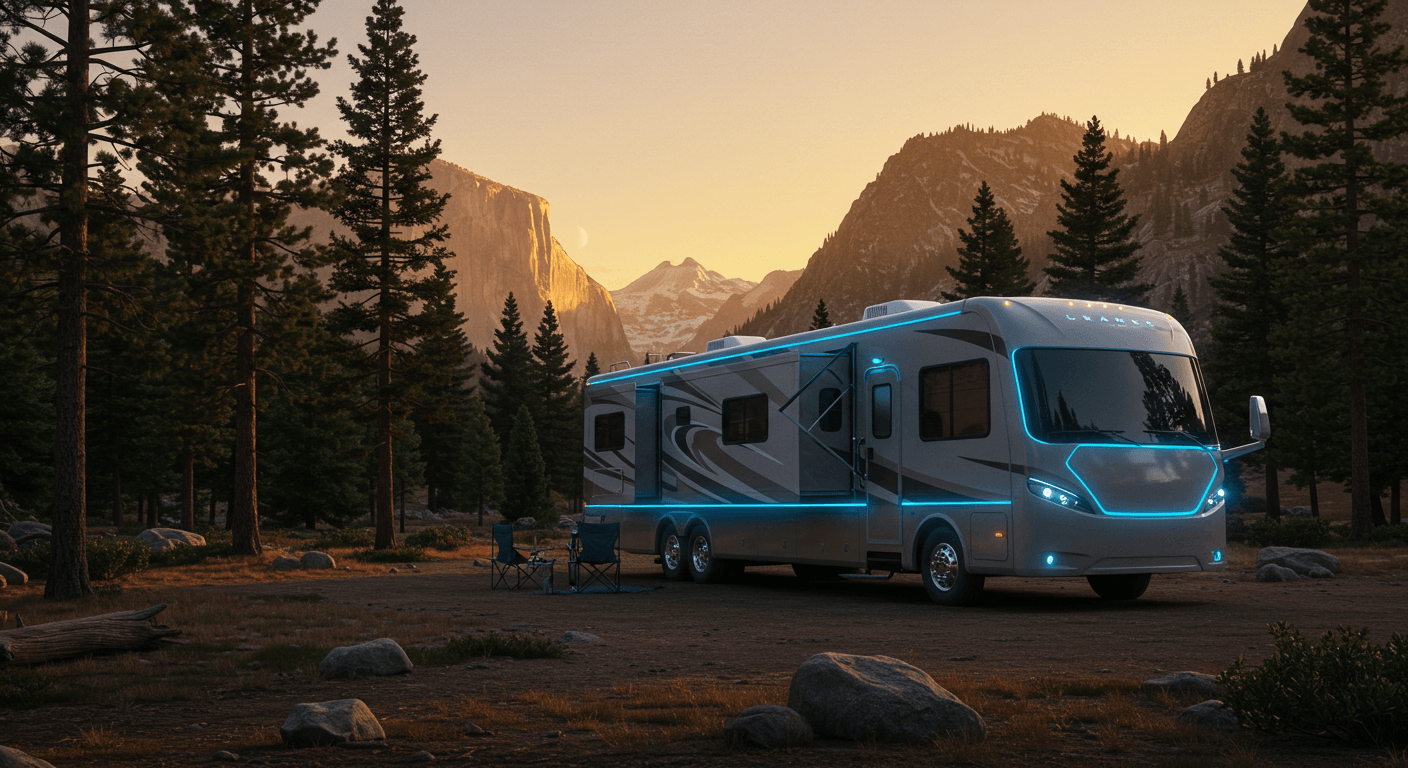
We've spent more hours than we'd like to admit in RV forums, YouTube rabbit holes, and dealer lots trying to figure out what we actually need before we buy. The tech side of it is where most first-timers — us included — underestimate the budget. A surge protector alone gets brought up in almost every conversation about campground power. Not as a nice-to-have. As a don't-skip-this.
This guide covers the four pieces of tech that come up over and over for good reason — TPMS, surge protectors, GPS, and internet solutions. Not every gadget on the market, just the ones that make a real difference on the road and why each one earns its place in the rig.
What RV tech do you actually need first?
Start with a surge protector (ideally a full EMS) and a tire pressure monitoring system — those two protect you from the expensive disasters: fried electronics from bad campground power and highway blowouts. Add an RV-specific GPS and a dedicated internet solution once you know how you actually travel. We're still in the research-and-rental phase ourselves, and this is the buy order that comes up in nearly every owner conversation we've had.
Table of Contents
The Power of Preparedness
Best RV Tech for 2025
Tire Safety First
Power Protection
Navigating with Confidence
Staying Connected
Reliable Tech is Key
Your Essential RV Tech Checklist
Conclusion
Affiliate Disclosure: Please note that this post contains affiliate links. As an Amazon Associate, we earn from qualifying purchases. This means if you click on a link and make a purchase, we may receive a small commission at no extra cost to you. We only recommend products we believe in and that add value to our readers. Thank you for your support!
The Power of Preparedness
Why Essential RV Tech Matters for Modern Travel
Modern RV travel blends adventure with the comforts of home but relying on campground utilities and navigating diverse terrains brings unique challenges. Why is investing in essential RV tech so crucial for 2025? Firstly, safety is paramount. A tire blowout at highway speeds can be catastrophic; a reliable TPMS provides early warnings. Secondly, protecting your RV's sensitive electronics from faulty campground power requires more than just hope – a quality RV surge protector / EMS is non-negotiable to prevent costly damage from spikes or low voltage. Thirdly, standard car GPS often doesn't account for RV height, weight, or length, leading to potentially dangerous routes; an RV-specific GPS ensures safer passage. Finally, in an increasingly connected world, whether for remote work, staying in touch, or accessing travel resources, reliable RV internet options 2025 are moving from luxury to necessity, especially when venturing beyond major hubs. Innovative solutions like advanced EMS systems and options like Starlink for RV address these needs, making travel safer, more comfortable, and stress-free.
See how this translates into real gear? Let's look at some top tech picks essential for your next RV trip!
Best RV Tech for 2025
Choosing the right tech can feel like navigating a maze. We've selected four top-rated products across key categories to help you make informed decisions for your 2025 travels.
Tire Safety First
The Indispensable RV TPMS
Your tires are literally where the rubber meets the road, and their health is critical. An RV Tire Pressure Monitoring System (TPMS) provides real-time pressure and often temperature data, alerting you to potential issues like slow leaks or overheating before they become dangerous blowouts. This is especially vital on long travel days, navigating mountain grades, or dealing with fluctuating ambient temperatures found across many US National Parks. The best RV TPMS offers reliable, easy-to-read alerts, saving you potential disaster and costly repairs. Look for features like signal boosters for longer rigs, user-replaceable batteries, and clear displays.
The rental rigs we've driven didn't come with tire monitoring, and honestly, not knowing what was happening with the tires on mountain grades was one of the more nervous parts of those trips. The TireMinder i10 is the system that comes up over and over in owner forums for exactly that situation — a slow leak on an inner tire you'd never spot by eye, caught hours before it becomes a highway problem. It's first on our list for our own rig.
See more details and current price for the TireMinder i10 RV TPMS on Amazon!
Power Protection
The Critical RV Surge Protector & EMS
Campground power pedestals are notoriously inconsistent. Voltage spikes, drops, miswired outlets, or open grounds can wreak havoc on your RV's sensitive appliances and electronics (AC, fridge, microwave, TVs). A basic surge protector offers limited defense, but a comprehensive Electrical Management System (RV EMS) provides essential protection against a wider range of electrical faults, including damaging low/high voltage conditions. For rigs using high-power appliances, a surge protector with EMS capabilities is a wise investment. Look for features like diagnostic readouts, auto-shutoff/restart, and weather resistance.
Hughes Autoformers PWD30-EPO-H Power Watchdog 30 Amp Smart RV Surge Protector with Auto Shutoff
Every experienced RVer we've talked to has a campground power story — low voltage on a packed summer weekend, a miswired pedestal, a neighbor's rig that lost an AC unit to a surge. It's the one piece of gear nobody describes as optional. The Power Watchdog gets recommended specifically because it doesn't just block surges: it shuts power down on low voltage, shows you what's happening in the app, and restarts automatically when conditions are safe. This is the first thing going in our cart, before we even pick the rig.
Discover the features and current price for the Hughes Power Watchdog PWD30-EPO on Amazon!
Navigating with Confidence
The Best RV GPS 2025
Using your phone or a standard car GPS for RV navigation is risky. They don't account for your rig's specific height, weight, length, or propane restrictions, potentially routing you under low bridges, onto weight-restricted roads, or through tight city streets unsuitable for large vehicles. The best RV GPS 2025 allows you to input your RV's dimensions and provides customized, safer routing. Many also include valuable RV-specific points of interest (POIs) like campgrounds, dump stations, and RV-friendly fuel stops. Look for large, clear screens, lifetime map updates, and features like road warnings for steep grades or sharp curves.
Garmin RV 1095 10" RV GPS Navigator
On our rental trips we navigated by phone, and we got lucky — but luck is not a routing strategy when the vehicle is 12 feet tall. Standard map apps don't know your height, weight, or length, and the low-bridge horror stories are easy to find. The Garmin RV 1095 is the unit that keeps coming up as the answer: you enter your rig's dimensions and it routes around the bridges, weight limits, and grades that a phone would happily send you into. For anyone renting a larger rig or buying their first one, this is the difference between enjoying mountain roads and white-knuckling them.
Check the specifications and current price for the Garmin RV 1095 RV GPS Navigator on Amazon!
Staying Connected
RV Internet Options 2025
Reliable internet on the road is crucial for many RVers today, whether for remote work, online schooling, streaming entertainment, or simply planning the next leg of the journey. Campground Wi-Fi is often slow and unreliable, and cellular coverage can be spotty in remote areas or popular US National Parks. Exploring RV internet options reveals a few distinct approaches: cellular hotspots like the TravlFi JourneyGo (which uses LTE networks and isn't tied to one carrier), satellite services like Starlink Roam, and cellular signal boosters. Each has different strengths depending on where you camp. The best option depends on your travel style, budget, and connectivity needs (data usage, speed requirements). Look for versatile, packable, and adaptable solutions.
New TravlFi JourneyGo LTE RV WiFi Hotspot
This is the category we've researched hardest, because one of us works in tech and reliable connectivity on the road isn't optional — a trip where work breaks means no trip at all. Campground Wi-Fi has been unreliable on every rental stay we've done. The TravlFi JourneyGo's appeal is that it's a multi-carrier LTE hotspot: it connects to whichever network is strongest where you're parked instead of locking you to one carrier's coverage map. For remote workers planning RV trips, that flexibility is the feature that matters.
Check the details and current price for the TravlFi JourneyGo LTE on Amazon!
Reliable Tech is Key
Don't just take our word for it. Experienced RVers and travel experts consistently emphasize the importance of investing in quality technology for a smoother, safer journey.
We constantly hear from other travelers and have read that trips were saved—or made significantly more enjoyable—by having the right gear. A reliable RV EMS prevented costly repairs from bad shore power at a state park camping site, while a good RV GPS helped another family avoid a stressful detour onto unsuitable roads near a US National Park.
For digital nomads, consistent internet isn't a luxury; it's a necessity. While no single solution is perfect everywhere, exploring options like Starlink for RV or robust cell boosting setups is crucial for maintaining productivity on the road.
Our own take, from the research-and-rental side of the fence: the pattern in every owner conversation is that nobody regrets buying this gear — they regret buying it after the incident instead of before. That's the lesson we're taking into our own purchase. The plan is simple: protection gear first, convenience gear second, and no learning any of these lessons the expensive way.
Ready to apply these expert principles? Your Essential RV Tech Checklist Section breaks down how to choose your perfect essential RV tech setup!
Your Essential RV Tech Checklist
Choosing the right tech requires assessing your specific travel style and needs. Here’s a practical checklist to guide your decisions for 2025:
Define Your RVing Style: Where do you typically travel? (Long cross-country trips, weekend stays at state parks, boondocking in remote areas, primarily US National Parks, full-timing in various RV resorts and camping sites?). How long is your RV? What are its power demands (50 amp vs. 30 amp)?
Prioritize Safety Functions: Regardless of travel style, safety tech like the best RV TPMS and a quality surge protector or full EMS should be top priorities. Don't skimp here.
Assess Navigation Needs: Do you frequently travel unfamiliar routes, mountain passes, or areas with potential height/weight restrictions? If so, investing in the best RV GPS 2025 is highly recommended over relying solely on phone apps.
Evaluate Connectivity Requirements: How crucial is internet access? (Essential for daily remote work? Occasional email checks? Streaming movies?). What's your budget for hardware and monthly fees? This will determine whether Starlink for RV, a cellular booster, mobile hotspots, or relying on campground Wi-Fi are the right RV internet options 2025 for you.
Consider Power Consumption & Installation: How will you power devices like Starlink or boosters when off-grid? Do you prefer portable units like the Power Watchdog or hardwired solutions (which may require professional installation)?
Read Real-World Reviews: Look for reviews from RVers with similar rigs and travel styles. Forum discussions and dedicated RV tech review sites can offer valuable insights beyond product descriptions.
Use this checklist!
If you are gearing up your rig with the right tech, you might as well dress the part too. Browse the RV life apparel at Horacio & Visconti RV Camping Shirts — funny RV shirts and camping tees printed on Comfort Colors 1717, built for people who actually RV.
Conclusion
The deeper you get into the RV research rabbit hole the more you realize the tech isn't optional — it's just a matter of when you buy it versus wishing you had it sooner. A blown surge protector story at a campground will change your priorities fast.
Start with the surge protector and TPMS before anything else. Add GPS and internet once you know how you actually travel. That order makes sense for most people getting into RV life.
If you're in the same research phase we are — we make RV camping shirts over at Horacio & Visconti for people who are already living this life in their heads even before the rig is in the driveway.


© 2026 Horacio & Visconti. All rights reserved.