
Essential Camping Gear
What to Pack for Your Next Adventure
Carlos Lopez
3/15/20254 min read
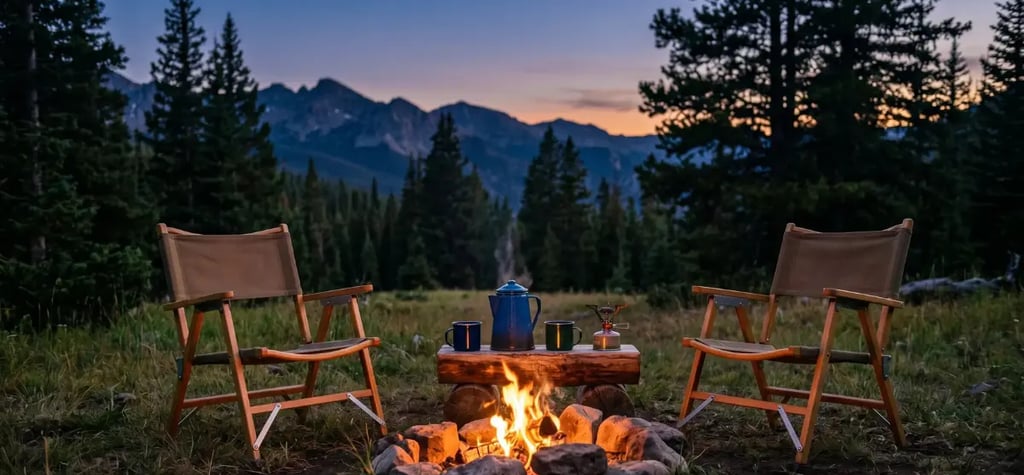
The outdoors has a way of calling you back. But the difference between a weekend you remember fondly and one you spend wishing you'd packed differently usually comes down to gear. We're still figuring this out one trip at a time — we rent our RVs, we don't own (yet), and we're not going to pretend we've spent a lifetime under canvas. What we can do is share the gear that's earned a spot on our list as we plan trips, point you to the picks we've gathered, and pass along the practical stuff worth knowing before you buy.
This is our running guide to the essential camping gear we think matters: reliable, comfortable, practical items, with the picks pulled together on our Amazon idea lists so you can see them in one place.
Quick heads-up before any links below: As an Amazon Associate I earn from qualifying purchases. A few of these point to our curated Amazon idea lists.
A reliable way to cook
A dependable cooking setup is close to non-negotiable. Cooking over an open fire has its charm, but a portable camping stove gives you control and convenience that a fire just can't on a rushed morning or a windy evening. When we're looking at stoves, the things that matter most are fast boil time, fuel efficiency, and a compact footprint — a system that boils water quickly saves both fuel and the kind of standing-around time you'd rather spend by the fire.
If you're cooking for one or two, a compact personal system makes sense; for a group, you'll want more surface and capacity. We keep the stoves we like on our Camp Kitchen Essentials list.
Cookware (and coffee) that actually works outdoors
A durable cookware set rounds out the kitchen side of things. A compact, lightweight mess kit — pots, a pan, a kettle, and basic utensils — covers most camp meals without taking over your storage. Anodized aluminum is worth looking for: it heats evenly and cleans up easily, which matters a lot when you're washing up with limited water. A set that handles everything from morning pancakes to evening pasta keeps you from packing four different things to do one job.
The other thing we won't camp without? Decent coffee. We keep an enamel percolator and matching mugs on our Camp Kitchen Essentials list — there's something about percolator coffee by the fire that a travel mug of gas-station drip just can't match.
A headlamp for after dark
Once the sun drops, hands-free light goes from nice-to-have to genuinely useful. A headlamp is the one we reach for most — it lights up whatever you're looking at while leaving both hands free, which matters when you're cooking after sunset, finding something in the dark, or walking the dogs around an unfamiliar site at night. The features worth paying attention to: brightness, battery life, a comfortable fit you'll forget you're wearing, and an adjustable beam so you can switch between close-up tasks and lighting the path ahead.
We keep the headlamps we like on our Camping Vibes list.
A comfortable place to sit
This one sounds minor until you've spent a full day outdoors and then tried to relax in a flimsy chair. A good camp chair is the difference between lingering by the fire and giving up and going to bed early. The trade-off worth thinking about is portability versus comfort: an ultralight aluminum-frame chair packs down small and is easy to haul, while a more robust, higher-backed chair leans into comfort at the cost of pack space. Which way you go depends on whether you're backpacking or pulling up to a site with room to spare.
The chairs we've been eyeing are on the Camping Vibes list too.
How to choose (and actually use) your gear
Here's the practical part — the stuff that's saved us from buying the wrong thing:
Define your camping style. Backpacking, car camping, and family camping pull you toward very different gear. Backpacking rewards lightweight and compact; car camping lets you prioritize comfort and capacity. Know which you're doing most before you buy.
Set a budget. It's worth investing in quality for the core items that affect safety and comfort, but plenty of solid gear exists at lower price points if you do the research. You don't have to spend top dollar on everything.
Read the detailed reviews, not just the stars. The useful information is in what real users say about reliability, durability, and ease of use over time — not the average rating.
Match gear to season and climate. Cold-weather gear and summer gear are different animals. Buy for the conditions you'll actually face.
Practice setup before you go. Try your stove, your chairs, your lights at home first. Discovering how something works for the first time at dusk, at the campsite, is how trips go sideways.
Pack efficiently. Distribute weight evenly and use organizers so you're not unpacking everything to find one item.
Maintain what you buy. Clean and store gear properly after each trip and it'll last for years. Good gear is an investment in a lot of future weekends.
The honest takeaway
Good camping gear is an investment in countless future adventures — from a reliable stove to a comfortable chair under the stars, the right setup genuinely changes the experience. We're not seasoned thru-hikers and we're not going to pretend to be; we're learning what works as we go, and this is the gear we've pulled together while we do. Prioritize what fits your trips, read the real reviews, and build your kit one good piece at a time.
You can see our picks gathered on our Camp Kitchen Essentials and Camping Vibes lists.
© 2026 Horacio & Visconti. All rights reserved.